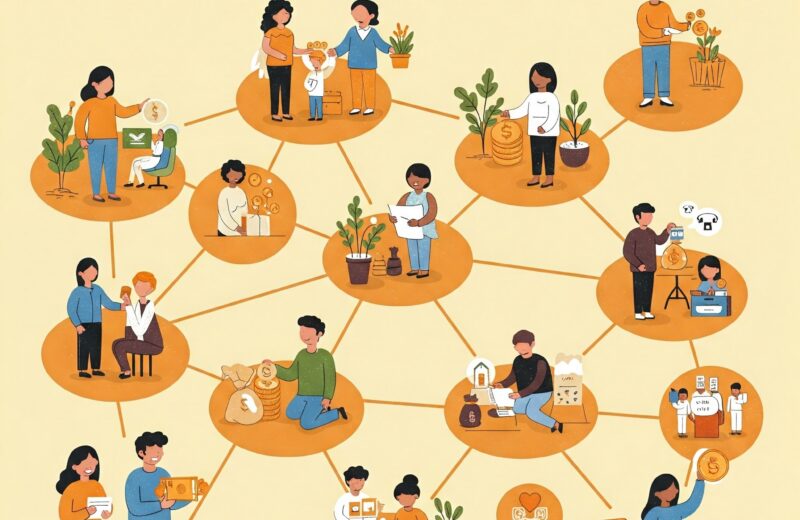
Mastering Your Money: How Economic Policies Shape Personal Wealth
Understanding the interplay between economic policies and personal finance empowers individuals to make informed financial decisions amidst evolving global economic landscapes.

Economic policies are pivotal in shaping the financial well-being of individuals and households worldwide. From interest rate adjustments to tax reforms, these policies influence the cost of living, saving potential, investment returns, and overall financial security. Understanding the interplay between economic policies and personal finance empowers individuals to make informed financial decisions amidst evolving global economic landscapes.
1. Understanding Economic Policies and Their Scope
Economic policies refer to measures implemented by governments to regulate and guide a country’s economic performance. These policies broadly encompass:
- Monetary Policies: Managed by central banks, these policies control money supply and interest rates to stabilize inflation, employment, and economic growth.
- Fiscal Policies: These involve government decisions on taxation and public expenditure to influence economic activity.
- Trade Policies: Strategies governing import and export activities, tariffs, and trade agreements.
- Regulatory Policies: Frameworks to oversee industries, protect consumers, and promote fair competition.
Each of these policies directly or indirectly impacts personal finances, creating ripple effects across income, expenditure, and wealth accumulation.
2. Key Areas of Impact
a. Inflation and Purchasing Power
Inflation rates, influenced by monetary policies, determine the purchasing power of individuals. High inflation erodes the value of money, making essential goods and services more expensive. For instance, during the global inflation surge of 2022-2023, many households experienced reduced disposable income, forcing budgetary adjustments (World Bank, 2023).
Mitigation Strategies:
- Diversify income sources to hedge against rising costs.
- Invest in inflation-protected assets like Treasury Inflation-Protected Securities (TIPS).
b. Interest Rates and Borrowing Costs
Central banks adjust interest rates to control economic growth. Lower interest rates encourage borrowing and spending but reduce savings yields. Conversely, high rates increase loan repayment costs, affecting mortgages, credit cards, and business financing.
Mitigation Strategies:
- Build an emergency fund to reduce reliance on credit.
- Consults experts when you are confused.
c. Taxation and Disposable Income
Fiscal policies determine tax structures, which significantly influence disposable income. Progressive tax systems aim to reduce inequality but can reduce savings and spending capacity for middle-income earners. Tax reforms, such as changes in deductions or corporate taxes, also impact investment returns and employment opportunities.
Mitigation Strategies:
- Utilize tax-advantaged accounts like Individual Retirement Accounts (IRAs) or their equivalents in your country.
- Seek professional advice to optimize tax efficiency.
d. Trade Policies and Cost of Goods
Trade policies, including tariffs and trade agreements, impact the cost and availability of goods and services. For example, trade restrictions during geopolitical tensions have historically caused supply chain disruptions, leading to higher prices for imported goods.
Mitigation Strategies:
- Support local markets to reduce reliance on imports.
- Monitor global trade trends to anticipate price fluctuations.
- Global Case Studies
- The 2008 Financial Crisis: The U.S. Federal Reserve’s monetary policy response included slashing interest rates to near zero and quantitative easing. While this spurred economic recovery, it also widened wealth gaps as asset prices soared (Bernanke, 2015).
- COVID-19 Pandemic Fiscal Stimulus: Governments worldwide implemented stimulus packages to sustain consumer spending. While beneficial short-term, such measures contributed to unprecedented public debt levels, with implications for future taxation and economic stability (IMF, 2021).

4. Adapting Personal Finance to Policy Changes
The dynamic nature of economic policies necessitates proactive financial management:
- Stay Informed: Regularly monitor central bank announcements and government policy changes to anticipate economic trends.
- Budget Flexibility: Create adaptable budgets to accommodate fluctuations in income or expenses caused by policy changes.
- Investment Diversification: Spread investments across asset classes and geographies to mitigate localized policy impacts.
- Debt Management: Ensure to manage your debts eeffectively before they get overwhelming and try to reduce the debts.
- The Role of Financial Literacy
A strong understanding of economic policies is essential for effective personal finance management. According to Lusardi and Mitchell (2014), individuals with higher financial literacy are better equipped to adapt to economic changes, demonstrating resilience in volatile markets.
By and large, economic policies play a central role in shaping personal financial landscapes. By understanding their mechanisms and potential impacts, individuals can navigate challenges more effectively and capitalize on opportunities. As global economies continue to evolve, staying informed and adaptable will remain key to achieving financial stability and growth.