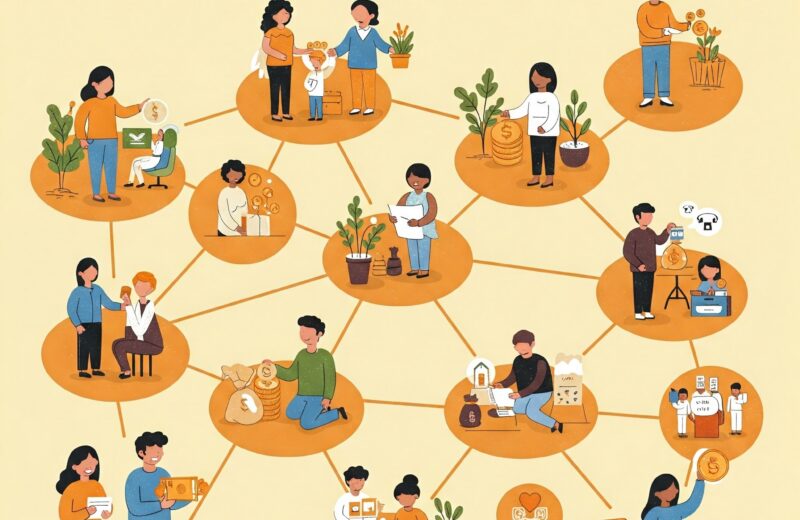
The More You Give, The More You Receive: The Rewarding Nature of Generosity
Understand the power of generosity and the secrets of why giving leads to receiving more. Read on how generosity arouses a sense of purpose and enables an individual's success.

Both religious teachings and natural principles affirm that we reap what we sow. More importantly, we often reap much more than we sow, just like a farmer who plants a few seeds and harvests an abundant yield. This is the very principle behind how generosity returns its rewards.
By giving what we have, whether wealth or other resources, we cultivate a deeper sense of purpose and the personality of a benefactor and set a pace to acquire even more of what we give to always be a giver.
This article presents compelling evidence of why individuals should be generous, how generosity rewards the giver, and how to cultivate a generous mindset in a world that promotes self-centeredness and materialism.
The Universal Principle of Reciprocity
What we give has a constant way of returning to us, often in greater measure.
Giving Naturally Leads to Receiving
When we extend kindness, resources, or opportunities to others, we psychologically create an obligation for those around us to respond in kind.
Beyond human reciprocity, Islamic and other religious teachings affirm that God promises to reward generosity: ” Who is it that will lend Allah a goodly loan so that He may multiply it for him many times over?” (Q 2:245).
Enlightened Self-Interest: The More You Give, The More You Grow
Undoubtedly, helping others ultimately benefits the helper in ways that might not be instantly evident:
- Personal Fulfillment:Studies show that acts of generosity activate the brain’s reward system, releasing dopamine and serotonin, which lead to increased happiness, reduced stress, ensuring a sense of fulfillment.
- Financial & Career Growth:When you share knowledge, resources, or opportunities, you create a network of people willing to support you in return.
- Building Influence & Trust:Generous individuals are seen as valuable and trustworthy, making them more likely to receive support, collaboration, and unexpected rewards.
How Generosity Rewards You
Giving creates a ripple effect that benefits not only the recipient but also the giver. Hence, the more we give, the more we open ourselves to unexpected good returns:
1. Arouse Individuals’ Sense of Purpose
When someone gives their time, knowledge, or wealth, they experience a deep sense of meaning, knowing they made a difference.
Furthermore, by sharing what we have, we become more appreciative of our own blessings, and this gratitude “strengthens emotional resilience and deepens life satisfaction”.
2. Improves Physical and Mental Health
Neurological studies suggest that the mesolimbic part of the brain, which controls reward and pleasure-related activities such as eating, sex, and drug use, often gets activated when individuals make donations.
Beyond this, multiple studies have linked generosity to improved health, including a lower risk of depression, dementia, heart disease, and overall physical well-being.
3. Financial & Career Benefits
Many successful individuals and businesses thrive because they embrace generosity as a strategy that yields via:
- Networking & Opportunities: Helping others, whether through mentorship, financial or morale support, positions us as valuable contributors, drawing like-minded individuals and creating new opportunities for collaboration.
- Trust & Influence:In business and leadership, generosity builds credibility. People are more likely to invest in, support, and promote those who genuinely care for others.
4. Fosters Healthy Relationships
The reciprocity of generous acts deepens connections by fostering care, displays of trust, and intentionality, showing that both individuals value each other’s well-being.
5. Ability to Contribute to Bridging Privilege Disparity
Instead of being another critic of privilege disparity, generosity offers individuals the chance to take real action. Rather than merely discussing the privilege inequality, individuals can actively bridge these gaps by sharing what they have.
Whether it is academic knowledge, specialized skills, financial resources, physical strength, or social influence, their generosity can create real change.
How to Cultivate a Generous Mindset
Human empathy, along with teachings from various religions, has long inspired generosity across generations.
However, the new cultural norms are challenging the spirit of generosity, making it necessary for us to discuss how to consciously cultivate this mindset:
1. Having an Abundance Mindset over Scarcity
The current economic pressure encourages a scarcity mindset, discouraging generosity and making hoarding seem like the path to financial security.
There is a need to reinstate an abundance mindset by countering the scarcity one through an enlightened mindset of sufficiency and trusting that generosity is rewarded in manifolds.
2. Overcoming Fear of Lacking as a Result of Giving
Many hesitate to give out of fear of lack or being taken advantage of. This often stems from a limited understanding of generosity.
By adopting an abundance mindset and trusting the law of reciprocity, we can reduce anxiety about scarcity and become more generous individuals.
3. Trusting Instead of Being Cynical
The ravaging unethical self-interest and revelations of corruption from sectors makes it sufficient enough for every individual to be skeptical about how, when, and who to be generous to.
Despite these challenges, individuals are encouraged to give with confidence and sincerity. Because if we refuse to be generous out of fear of exploitation, we risk turning a blind eye to those who are vulnerable and need our help.
4. Practicing Scheduled Intentional Giving
Being a generous giver starts with developing a habit of intentional giving. This habit can be easily developed by consciously setting aside time, money, or resources to help others.
5. Practicing Giving over Hoarding
The world is currently plagued by materialism and overconsumption, raising the need to consciously cultivate a generous mindset.
Cultivating values like delayed gratification and self-reflection helps us recognize when the pursuit of wealth or possessions becomes excessive and sharing it feels difficult.
This reflection helps reshape our mindset and encourages the habit of giving, allowing us to break free from hoarding and embrace a more fulfilling, generous way of life.
In Conclusion, Generosity, as established above, is more than just an act of kindness; it is a strategy that enables personal growth, financial success, and a tool to contribute to societal well-being.
Adopting an abundance mindset instead of fearing potential loss helps cultivate generosity. Trusting the law of reciprocity, being generous with wisdom and sincere intention, will all but reduce our anxiety about lacking and make us a more generous being.
The key to lasting prosperity lies not in hoarding but in sharing. By adopting a generous mindset, we position ourselves to receive more, grow more, and contribute more positively to the world.